


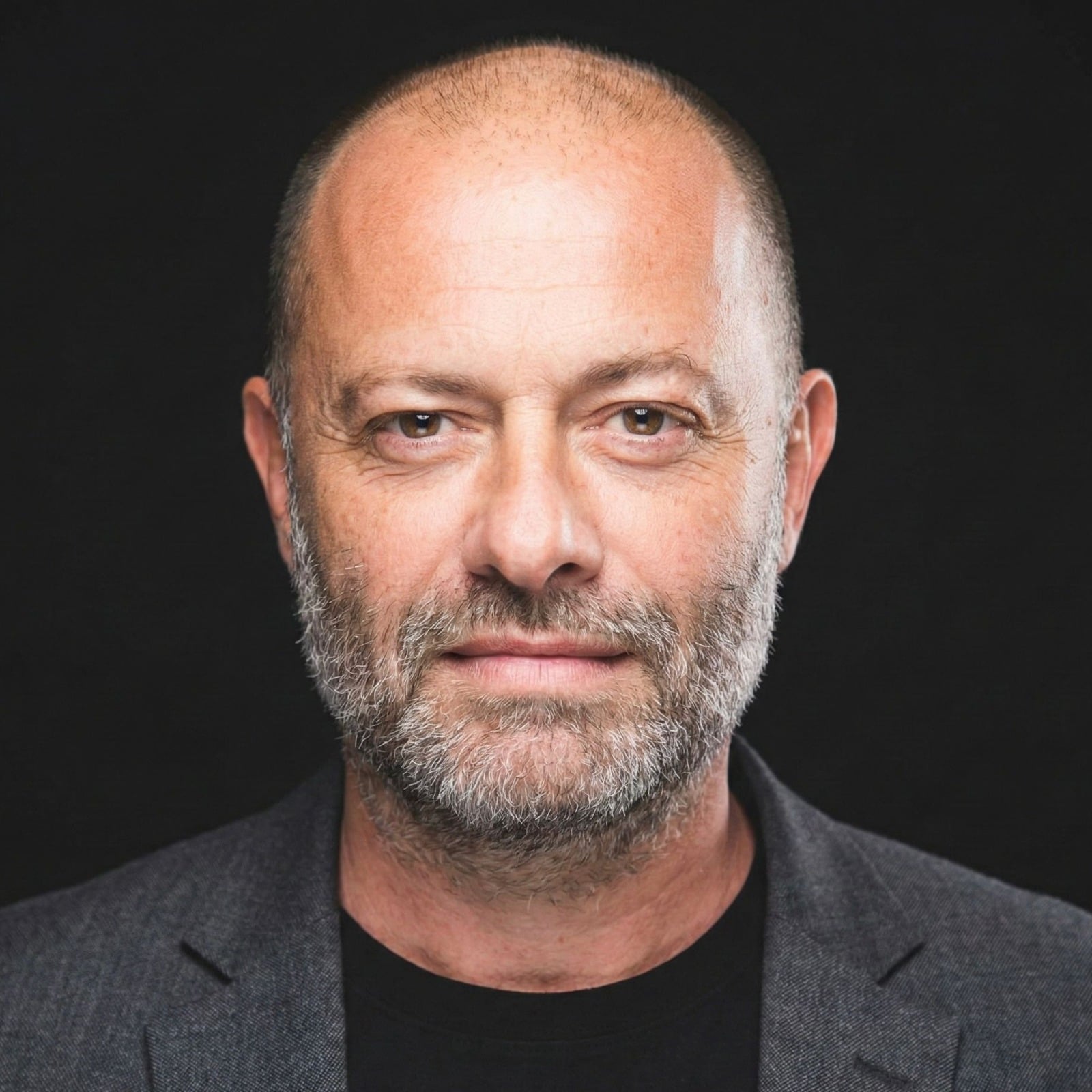
TipRanks had the opportunity to interview the CEO of SphereLink, Gilad Babchuk. SphereLink is the U.S. subsidiary of Tondo Smart (TASE:TNDO), which trades on the Tel Aviv Stock Exchange. Having recently completed a pilot test of its innovative drone-tracking devices in Los Angeles, SphereLink is poised to transform the low altitude skies.
Claim 55% Off TipRanks
- Unlock hedge fund-level data and powerful investing tools for smarter, sharper decisions
- Discover top-performing stock ideas and upgrade to a portfolio of market leaders with Smart Investor Picks
The Skies Are a Blue Ocean
Babchuk explained that the low altitude skies are currently a “blue ocean,” meaning they are not yet monitored and managed. SphereLink aims to change that reality via its innovative smart infrastructure platform, through collaboration with Cisco and other companies. Indisputably, AI needs a physical infrastructure to rest upon, and SphereLink is providing it. The building blocks of AI lie in infrastructure.
SphereLink has collaborated with Cisco (CSCO) and other companies, to track the multiple drones already populating the lower atmosphere. Those include delivery drones from Walmart (WMT), Target (TGT) and UPS (UPS), and police and emergency services drones that monitor accidents and improve public safety. Moreover, large sporting events such as the Olympics draw hundreds of camera drones from news outlets. At the local level, cities have to ensure that drones don’t crash into one another, and that bad actors don’t release weapon-laden drones that could cause multitudes of damage.

By affixing hardware sensors onto existing streetlights and other city-owned poles, SphereLink solves the problem of tracking drones. The hardware allows cities to plan flight routes, map no-fly zones, and identify authorized vs. unauthorized drones. Using AI, the cities can even monetize the airspace by charging for use and giving fines for misuse.
SphereLink’s hardware is easy to install and energy efficient, as it uses both solar and electric charging. It’s also easily scaled, as once the hardware is in place, the software can easily evolve. Furthermore, since the hardware is military grade, it can survive catastrophes.
Effectively, installing the hardware onto poles gives cities the tools to manage and protect the skies.
Protecting People, Places and Public Trust
Babchuk clarifies that protecting people and places is meaningless if the cities don’t have public trust. Public trust lays the groundwork for safety. To that end, SphereLink has designed its hardware sensors as an edge device: they save data permanently only if prompted to do so.
Specifically, that means the platform reads and records audio and visual information in its environment. However, only certain sounds and visual information trigger the platform’s sensors to move the data to another device that will save it for the long-term. For example, the sound of a gunshot would propel a data move from the edge device to the backend device. Unless an incident occurs, the data remains on the edge device, and will never be used.
Overall, SphereLink is committed to protecting the new world of low altitude skies. Its mission of protecting people, places and public trust guides SphereLink to implement the Internet of Things, as it manages AI on the back of smart infrastructure.
Disclaimer: This article is for informational purposes only and does not constitute financial advice.