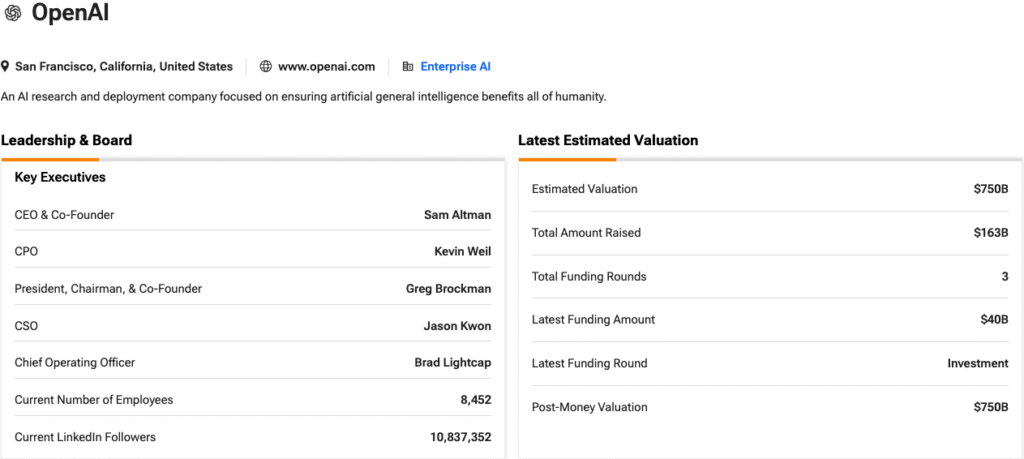
Greg Brockman, OpenAI’s President and co-founder, revealed in a court on Monday that his stake in the AI startup is worth nearly $30 billion. This disclosure came during the ongoing lawsuit filed by Tesla (TSLA) CEO Elon Musk against OpenAI’s shift from a non-profit to a for-profit model. Musk’s legal team also revealed that Brockman holds financial ties to OpenAI CEO Sam Altman, which they argued could affect his independence.
Claim 55% Off TipRanks
New trading tool for AMZN bullsBrockman Reveals Stakes in Altman-Backed Firms
On the stand, Brockman confirmed his $30 billion stake in OpenAI, a figure not known before Monday’s testimony. He also said he never personally invested to earn it. Beyond the stake, Brockman revealed he holds shares in two startups backed by Altman.
One is the AI chip firm Cerebras Systems, including the time when OpenAI was considering buying it out. The company he holds shares in is Helion Energy, a fusion energy startup where Altman invested hundreds of millions of dollars before stepping down from its board in March.
Court Emails Reveal Brockman’s Deeper Ties to Altman
Brockman’s deeper financial ties to Altman came to light through emails read out by Musk’s legal team. They showed that in 2017, Altman gave Brockman a $10 million stake in his personal family office. Jared Birchall, Musk’s family office head, flagged the deal in a note to Musk, warning it could mean Brockman would have “a greater allegiance to Sam.”
When Musk sent that note to him with two question marks, Brockman did not address it at the time. In court, when asked about his loyalty to Altman, he said, “I don’t know if I would say it quite like that.”
Musk, who left OpenAI’s board in 2018, is now seeking $150 billion in damages, plus the removal of both Altman and Brockman from their roles in OpenAI. He claims they used his $38 million in early donations and his backing to build a nonprofit, then switched course to fill their pockets.
Can I Invest in OpenAI Stocks?
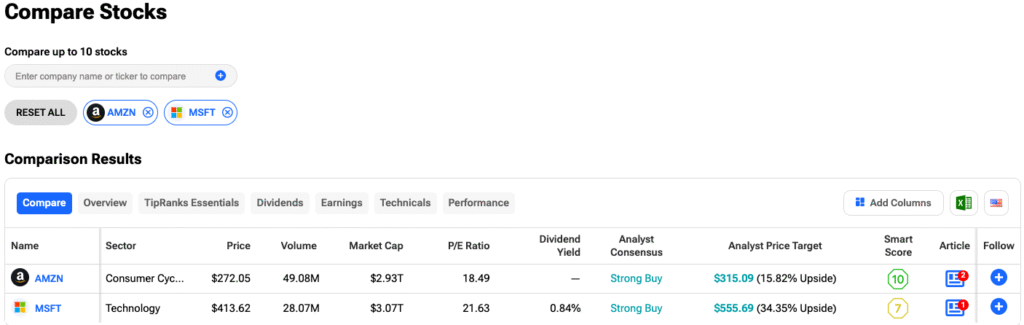
OpenAI is still a private company with no stock listed on public exchanges. As a result, its shares are limited to accredited or institutional investors through private secondary marketplaces. However, retail investors can gain indirect exposure through publicly traded firms like Microsoft (MSFT) and Amazon (AMZN), both of which are the startup’s largest investors.