


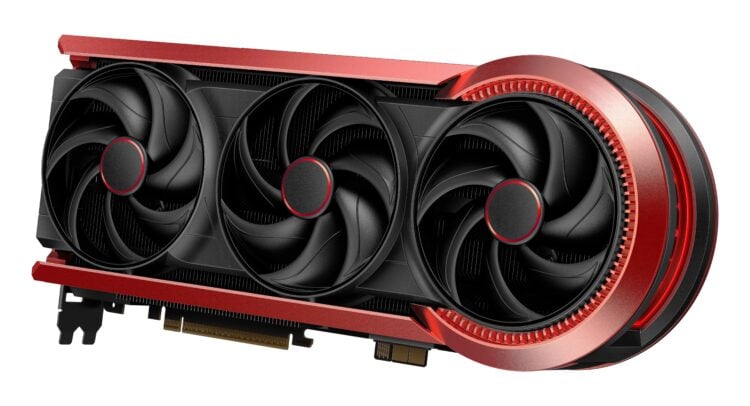
The global computer hardware market is facing growing strain as supplies of Nvidia’s (NVDA) latest gaming graphics cards remain tight. Retailers in Germany and Japan say they cannot secure enough units of the RTX 50 series, with some warning prices could climb toward $5,000 by the end of the year.
Claim 30% Off TipRanks
Trade NVDA with leverageThe core issue is a worldwide memory shortage. Large AI data centers are buying massive amounts of memory chips, which leave fewer parts available for consumer products like gaming graphics cards. As a result, supply has weakened just as demand remains strong.
In Germany, a major PC parts retailer said its distributor has limited orders of the RTX 5070 to five units at a time, while stopping deliveries of higher models such as the RTX 5080 and RTX 5090. Similarly, a leading Japanese electronics retailer in Tokyo has begun limiting customers to one high-memory graphics card per purchase, while also warning that future deliveries are uncertain.
Meanwhile, NVDA shares rose 1.26% on Friday, closing at $188.85.

AI Demand Reshapes the GPU Market
The memory shortage is changing how graphics cards are built and priced. According to industry research firm TrendForce, memory now makes up more than 80% of a GPU’s total cost. This share has risen sharply as prices for advanced memory types have increased by several hundred percent in recent months.
Major suppliers such as SK Hynix have shifted focus away from consumer memory toward high-margin memory used in AI accelerators. Internal company forecasts suggest tight supply for consumer memory could last until at least 2028, which limits how quickly the gaming market can recover.
As a result, both Nvidia Corporation (NVDA) and Advanced Micro Devices (AMD) are expected to raise graphics card prices in stages starting in early 2026. Reports indicate that AMD has already begun modest increases, while Nvidia may follow soon after. Over time, repeated price hikes could push top-tier cards well above their original launch prices.
Production Cuts and Price Hikes
In addition, Nvidia is reportedly planning to reduce gaming GPU production by 30% to 40% in the first half of 2026 compared with last year. Models that use large amounts of memory are expected to see the biggest cuts, as memory supply remains the main constraint.
Meanwhile, Nvidia has informed partners that it plans to restart production of the RTX 3060, a graphics card first released in 2021. This older model uses a different type of memory that is more available today, which may help Nvidia keep a presence in the lower-priced gaming market while shortages continue.
Overall, the situation highlights how rising AI demand is reshaping the balance between data center and consumer hardware, with lasting effects on pricing, supply, and profit focus across the semiconductor industry.
Is Nvidia Stock a Buy, Sell, or Hold?
On the Street, Nvidia holds a Strong Buy consensus rating. The average NVDA stock price target is $262.79, implying a 39.15% upside from the current price.
